PRIMO VASCULAR THERAPEUTIC RESEARCH INSTITUTE (PVTRI)
Researching the therapeutic possibilities of the Primo Vascular System
The PVTRI was established to advance understanding of the Primo Vascular System (PVS) — an emerging anatomical system first brought to public attention through the pioneering work of Professor Soh Kwang-Sup. Building on this research, the institute is dedicated to education, exploration, and the development of therapeutic approaches that engage the PVS in meaningful, evidence-informed ways.
Our mission is threefold: to raise awareness of the PVS and its potential significance within human physiology; to research and refine methods of working with the PVS through manual therapy; and to expand current understanding of the system’s structure, function, and role in health.
While PVTRI does not conduct medical or clinical research, we collaborate closely with and draw upon the discoveries of those who do — integrating insights from osteopathy and related disciplines with open, interdisciplinary inquiry. As a growing institute, PVTRI seeks to establish a thoughtful and authoritative presence in the field — fostering dialogue, supporting research development, and cultivating a community of practitioners and scholars dedicated to exploring the therapeutic possibilities of the PVS.
PVTRI - Our Work
Research
Developing methods for identifying, locating, and therapeutically interacting with the Primo Vascular System.:
-identification
-mapping
-therapeutic interaction
Education
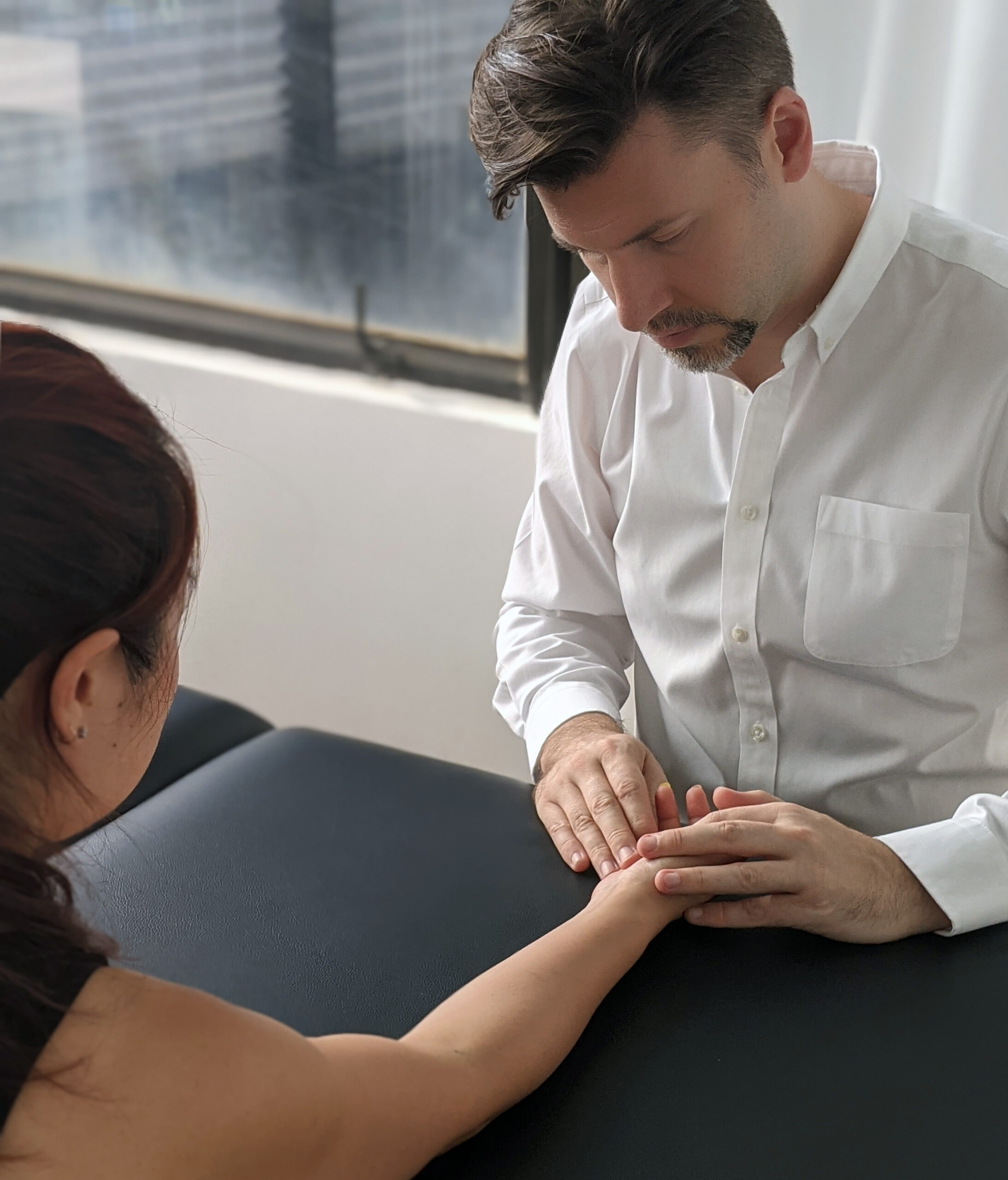
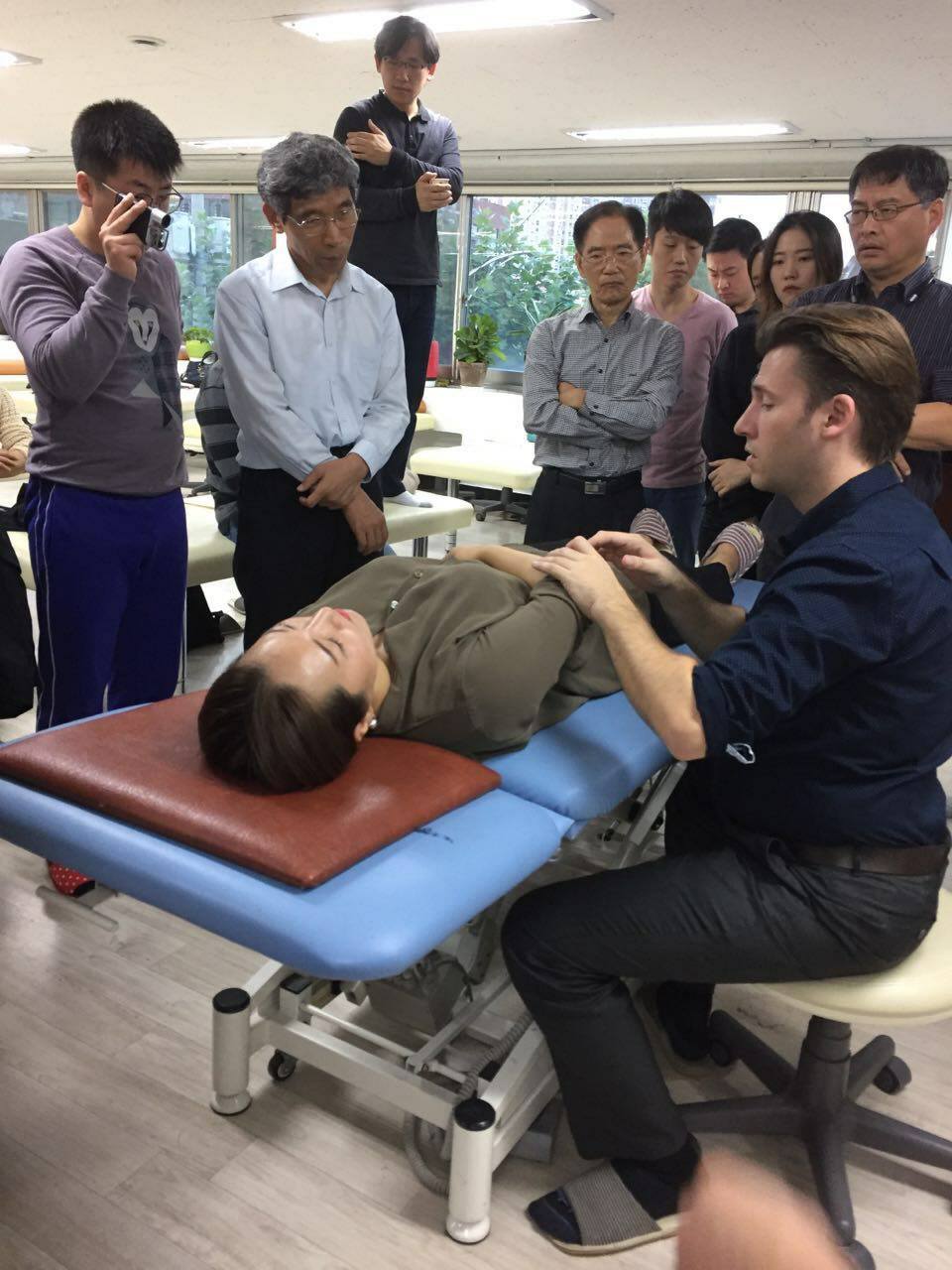
Offering presentations as well as courses on current manual therapy applications for working with the Primo-vascular System.
Publication
Books, articles, and resources advancing understanding of the PVS.
Soon available:
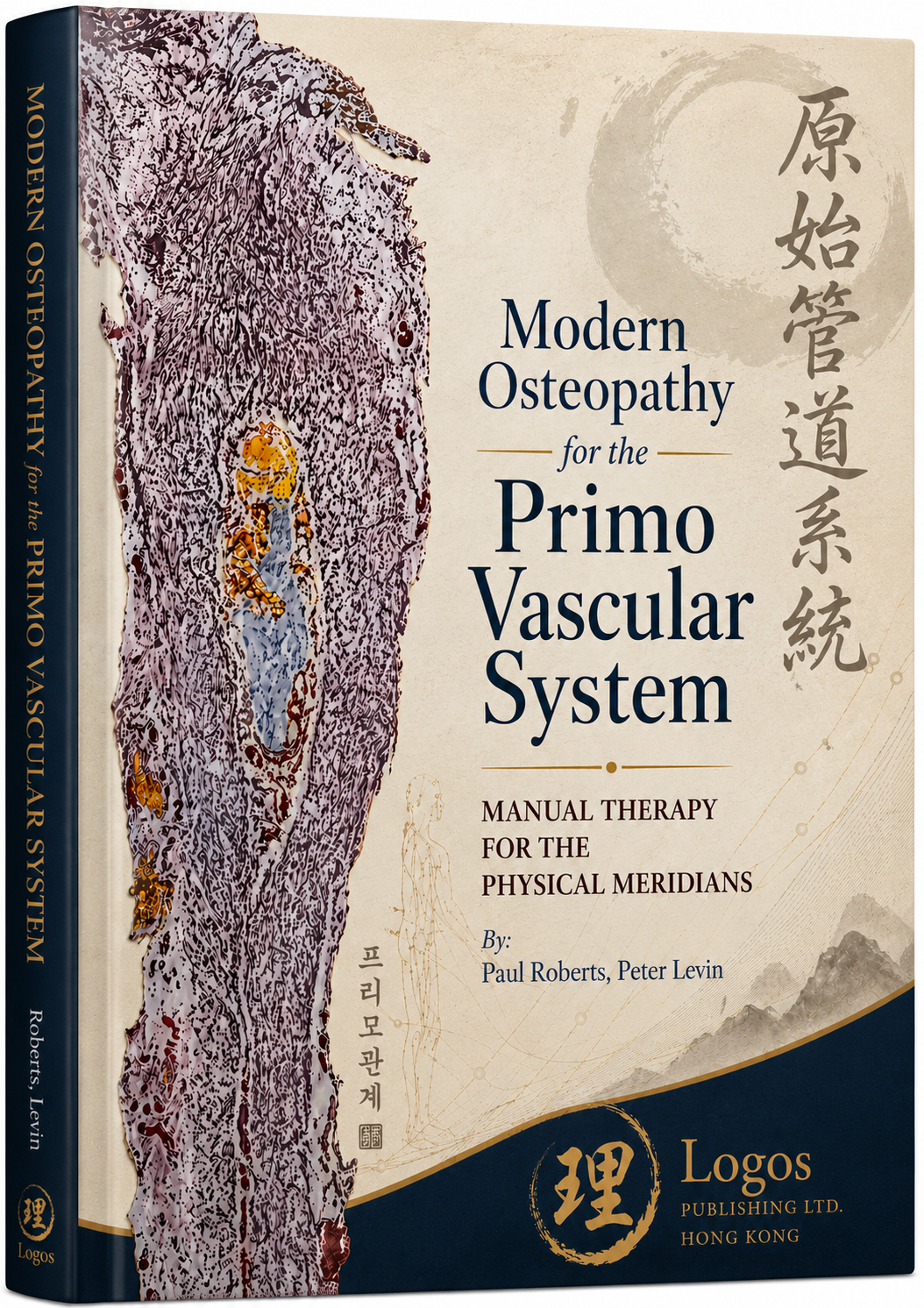
"Modern Osteopathy for the Primo Vascular System - manual therapy for the anatomical meridians" by Logos Publishing
“Exploring manual therapeutic applications for the anatomical meridians / Primo Vascular System”
About us
PVTRI brings together manual therapy, osteopathy, East Asian medicine, and contemporary PVS research to investigate a question: how might the Primo Vascular System be identified and approached therapeutically in the living human body?